




Generative AI Solutions and Multi-Sensory Technology
Generative AI will continue to revolutionize content creation, enabling the synthesis of images, videos, and even interactive environments from textual descriptions. This technology will be particularly transformative in AR applications, where users can generate custom avatars or environments on the fly. Multi-sensory AI will not only simulate visual and auditory experiences but also haptic feedback and olfactory outputs. This could lead to applications such as virtual cooking classes where users can smell and feel the texture of ingredients, enhancing the learning experience.
Advancements in AR Hardware
The miniaturization of AR hardware components will lead to more discreet and stylish AR glasses. These advancements will reduce the stigma associated with wearing AR devices in public, encouraging widespread adoption. Battery life and display resolution are two areas where significant improvements are expected. Longer battery life will enable all-day use, while higher resolution displays will make virtual objects indistinguishable from reality.
Web AR and Cross-Platform AR
WebAR will see improvements in performance and compatibility, making AR experiences smoother and more realistic. This will be crucial for marketing campaigns and online retail, where instant access to AR can enhance consumer engagement. Cross-platform AR development tools will mature, allowing creators to build AR experiences once and deploy them across multiple platforms, reducing development time and costs.
AR in Retail and Live Shopping
AR will become a staple in online and in-store shopping experiences. Virtual try-ons and 3D product visualizations will help reduce return rates and increase customer satisfaction. Live shopping will integrate AR to allow viewers to see products in 3D or in their own space, making remote shopping experiences more tangible and interactive. Augmented reality development for fashion brands
AR in Diverse Industries
In healthcare, AR will assist in patient education, allowing them to visualize their conditions and treatments in 3D. This can lead to better understanding and adherence to treatment plans. In education, AR can bring textbooks to life, turning static diagrams into interactive 3D models, making learning more engaging and effective.
AR-Based Gaming
AR gaming will expand to include more genres, such as puzzle games and educational titles. These games will use the real world as a canvas, providing unique gameplay experiences that are not possible with traditional video games. Social AR gaming will become more popular, with games designed to be played in groups, encouraging social interaction and physical activity.
Mobile AR Tools
Mobile AR will benefit from the integration of AI, allowing for more intelligent and context-aware applications. For example, an AR navigation app could not only show you the way but also provide information about landmarks you pass by. Fitness apps will use AR to create immersive workout environments, making exercise more enjoyable and motivating users to stay active.
Wearables and AR Controllers
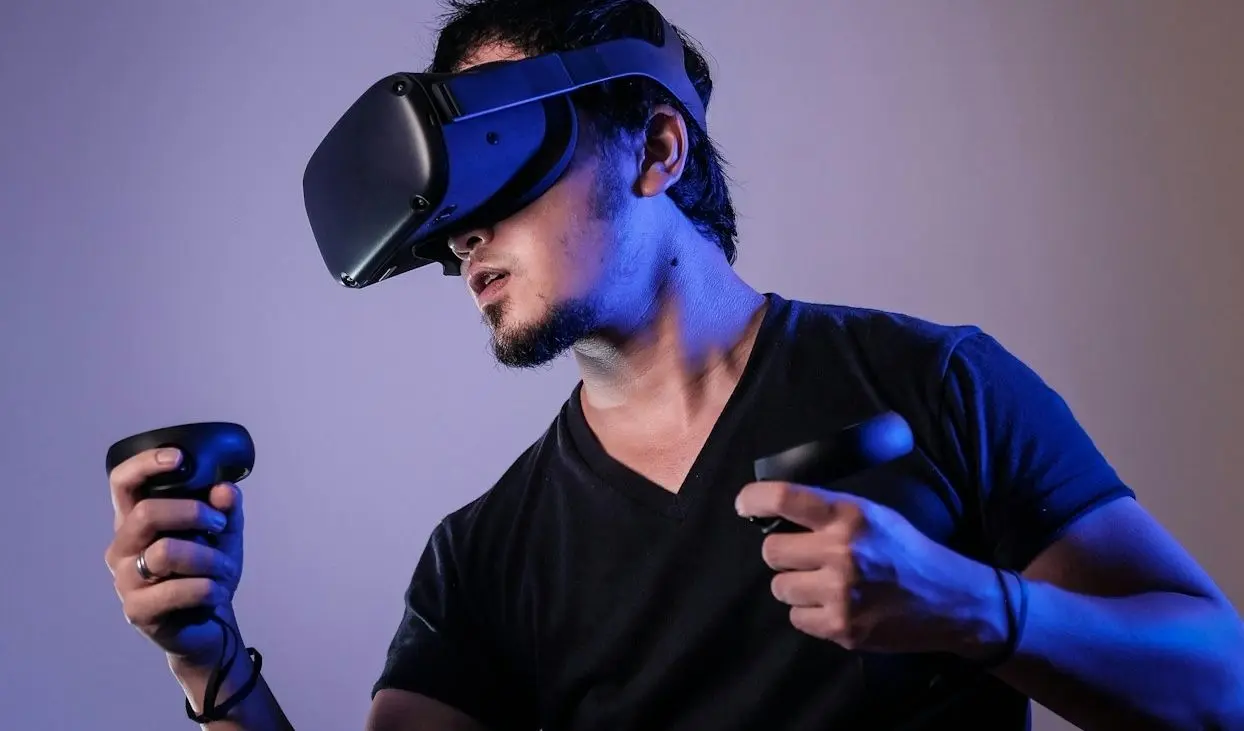
Wearables will become more integrated with AR, providing additional input methods and contextual information. For example, a smart ring could be used to control AR interfaces with gestures. AR controllers will evolve to be more ergonomic and intuitive, allowing for precise interaction with virtual objects and enhancing the overall user experience.
Wearables and AR Controllers
Wearables will become more integrated with AR, providing additional input methods and contextual information. For example, a smart ring could be used to control AR interfaces with gestures. AR controllers will evolve to be more ergonomic and intuitive, allowing for precise interaction with virtual objects and enhancing the overall user experience.